Simply popping a transformer into a metal container and placing it in the furthest corner of the site does not constitute a power supply infrastructure. A MV/LV transformer substation is the absolute foundation of any serious facility. It is here that the capricious medium-voltage power, in the range of tens or hundreds of kilovolts, is harnessed and brought down to a level suitable for switchgear. A mistake at this stage of design takes a very heavy toll throughout the entire lifetime of the plant.
In practice, we’re talking about the main power supply for a factory, a modern office block or a large logistics centre. The rest of the process depends entirely on how you design the connection from the external power grid to your own low-voltage installation. An investor may purchase the most expensive production machinery on the market, but if the power station supplying it simply ‘breaks down’ at the first major start-up, all that expensive equipment becomes a useless decoration in the hall.
The anatomy of a substation: it’s not just a big transformer
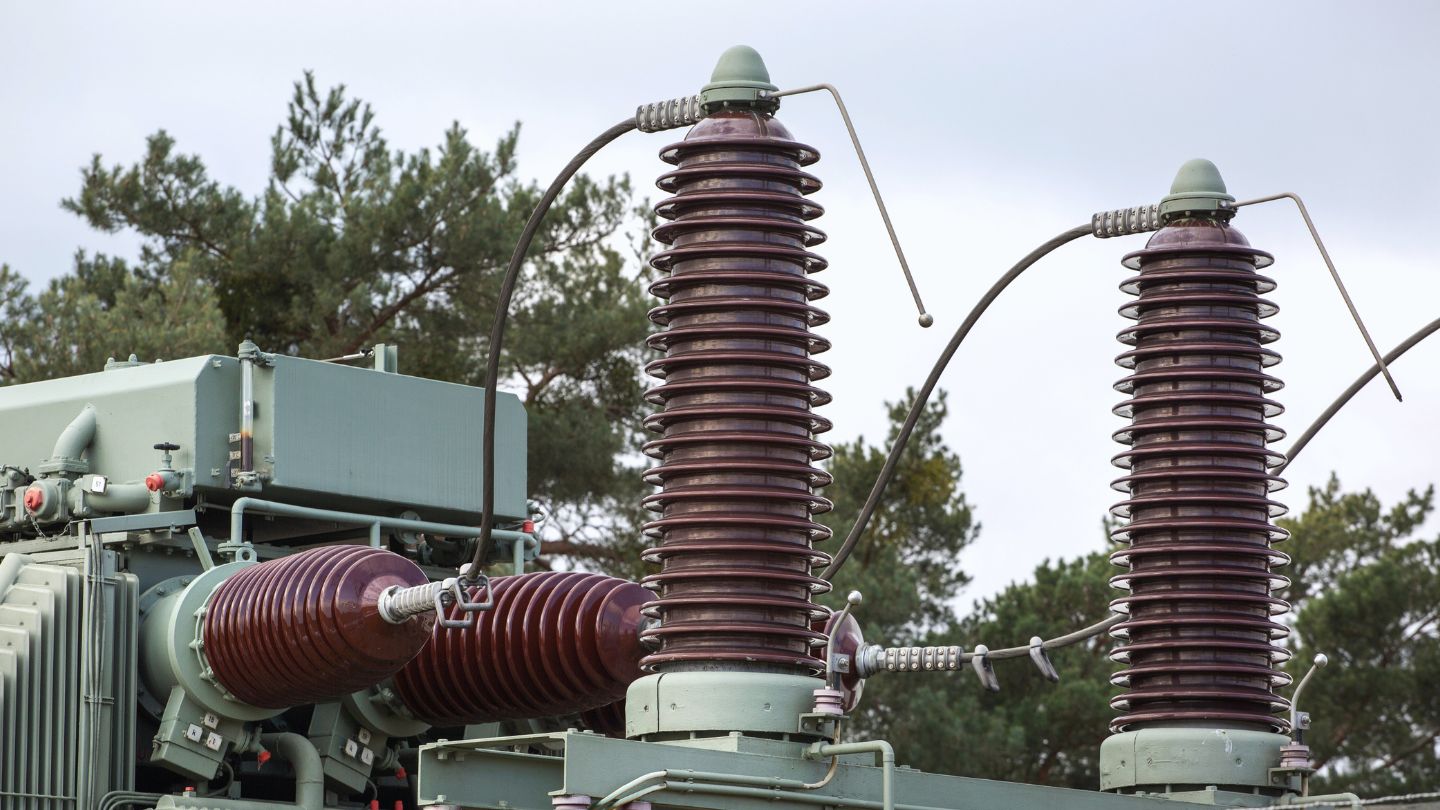
To the layman, a substation often seems like nothing more than a large, constantly humming block, submerged in oil or modern resin. Nothing could be further from the truth. The transformer is, of course, the heart of the entire system, but to function properly it requires a sophisticated life-support system. On the medium-voltage side, we have power supply panels, armoured circuit breakers and disconnectors. This is the first, brutal line of defence, which must physically cut off the power supply in a fraction of a second. It does this when something goes wrong on the supplier’s network, thereby protecting the transformer itself from burning out and causing a disaster.
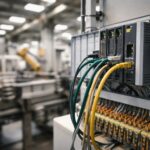
On the low-voltage side, meanwhile, lies the facility’s main switchboard. It is from here that power flows throughout the entire building, much like blood in a living organism. This is where the actual distribution to individual departments, lighting and production lines takes place. In modern substations, this area is also densely packed with electronics. Here we find network parameter analysers, reactive power compensation systems and advanced automation, which constantly keeps the power parameters within specified limits.
Redundancy and flexibility: When a single transformer is simply not enough
Configuring a station is always a delicate balancing act between the business budget and operational risk. For a small warehouse or a simple workshop, a single-transformer setup is perfectly adequate. A potential failure there simply means a longer coffee break for the staff, and the losses are easily quantifiable and acceptable to management. Such a single-transformer setup is cheap to build, but it mercilessly exposes its shortcomings in the event of a more serious fault on the power line. The entire facility simply plunges into darkness.
The situation is completely different in heavy industry, hospitals or large data centres. There, a sudden outage can cost hundreds of thousands of zlotys or even endanger human lives. This is where we enter the realm of robust dual-transformer systems, which are often supplied by two completely independent medium-voltage lines. If one source unexpectedly fails, the substation’s automatic system immediately switches the load to the other. This solution is expensive and takes up considerably more space, but it gives the investor what is absolutely most valuable in industry – priceless peace of mind.
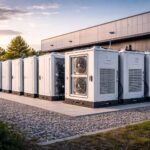
Regardless of the chosen network topology, investors are faced with the choice of the physical form of the station itself. Fast-growing companies love containerised stations. A ready-made, tested prefabricated unit arrives; we connect the cables and the facility is up and running. The main catch, however, is that such a unit offers virtually no scope for future expansion with additional modules. In contrast, indoor stations, built directly into the fabric of the building itself, offer excellent flexibility and integration. However, they require rigorous planning of ventilation and transport routes as early as the stage of laying the building’s foundations.
The art of selection: how not to shoot yourself in the engineering foot
The greatest design sin is the ruthless practice of sizing a transformer’s capacity ‘to the limit’, based solely on current requirements taken from tables. It is engineering suicide in white gloves. Every facility is a living entity and naturally accumulates new machinery and systems over time. A wise designer takes into account the heavy start-up loads of large motors, the specific nature of non-linear loads, and leaves a substantial power reserve for the future. It is definitely better to slightly oversize the transformer at the outset than to have to break through concrete walls and replace the entire power supply infrastructure in five years’ time.
A poor location can have equally disastrous consequences. The laws of physics are inexorable, and electricity really doesn’t like travelling long distances. Placing a substation at the very edge of a sprawling site simply to avoid spoiling the architects’ view of the showpiece lawn means having to lay kilometres of thick cables. This immediately generates huge costs for copper during the construction phase. Worse still, it subsequently causes permanent voltage drops and massive transmission losses within the installation itself. A transformer station is situated where the physical centre of gravity of the building’s power consumption lies.
Summary – MV/LV substations
MV/LV transformer substations are certainly not items in a construction cost estimate where one should be desperately seeking savings. They are a critical and vital hub upon which the stability, operational safety and genuine potential for development of the entire plant directly depend. A system that is correctly sized, located at the very centre of the load and equipped with intelligent safety features will serve the company reliably for many decades. Conversely, errors and shortcuts taken during its implementation will relentlessly stifle the facility’s performance on every subsequent day of production.